Underground Sprinkler Repair And Fire Line Work
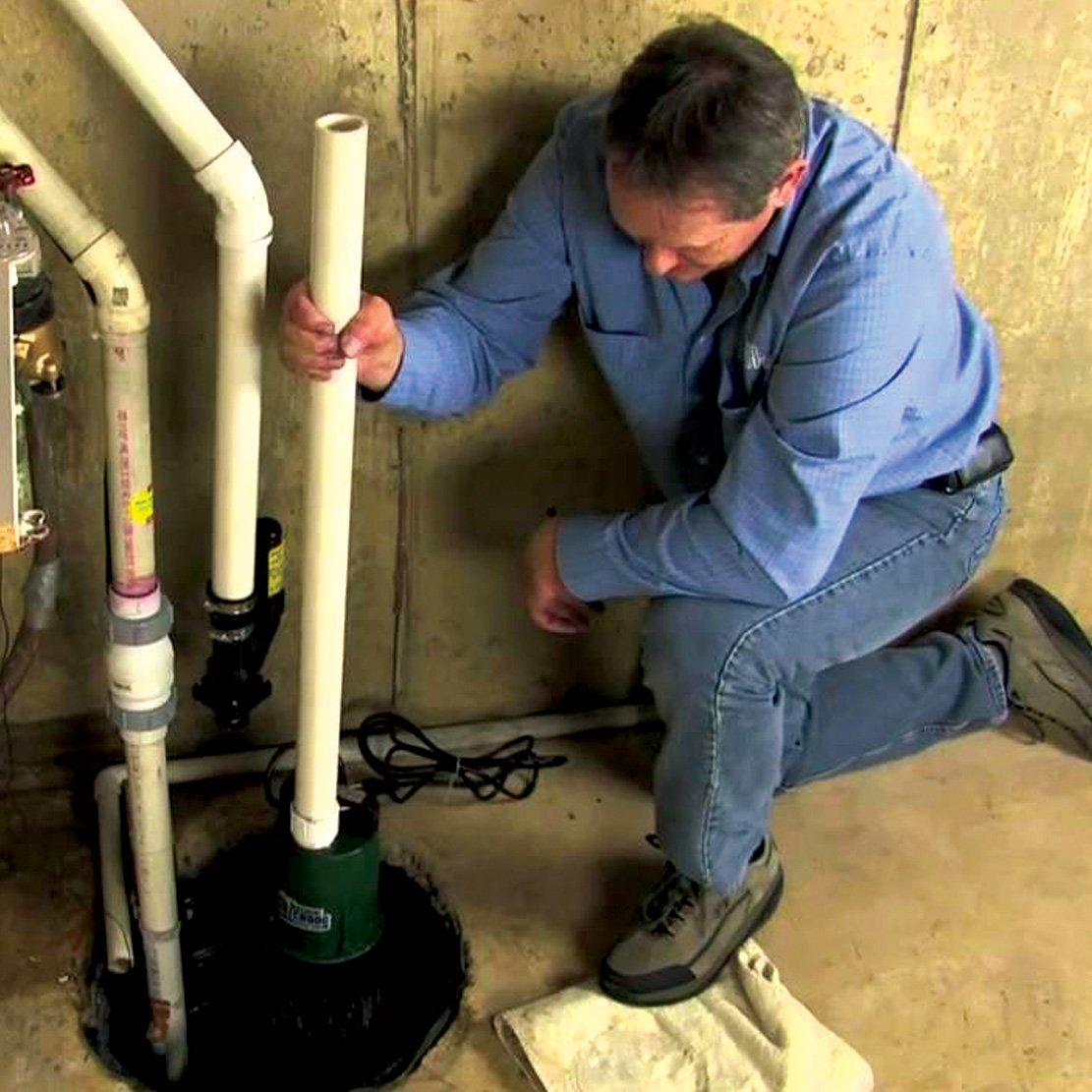
About Underground Fire Line Repair
The underground main is the pipe between your water meter and your building riser. Everything above depends on it.
Failures happen for predictable reasons. Ductile iron corrodes in aggressive soil. Joints pull apart when thrust blocks were never poured correctly. Roots and settling shift the line. Old repairs made with the wrong fittings simply fail all over again.
Cost to repair underground sprinkler line damage depends on depth, length, and what sits above the pipe. A break under landscaping is straightforward. A concrete driveway or loading dock adds saw cutting and surface restoration.
One thing holds true: a buried leak wastes water quietly for months. By the time you see it above ground, you have already paid for it.
Why You Need
Why Underground Sprinkler Repair Matters
Sudden Pressure Loss
Your riser gauge reads lower than it should. Static pressure has dropped, and nothing above ground explains it. That usually means the break is underground.
Visible Surface Water
Wet asphalt on a dry day. Soft ground near the fire department connection. Water surfacing well away from the actual break, because it follows the trench line.
Failed Hydrostatic Test
NFPA 24 requires two hours at two hundred psi with no measurable drop. When the gauge falls, there is a leak. We find it, repair it, and retest before backfill.
Broken Thrust Restraint
Elbows and tees push hard against soil under pressure. Without thrust blocks or mechanical restraints, joints separate. We excavate, restrain the fittings properly.
Post Indicator Valve
A seized post indicator valve leaves you unable to isolate the main. We repair or replace the valve so your building can be shut down when needed.
Debris And Obstruction
Rocks and pipe shavings left from an old installation travel downstream and clog heads. Flushing at ten feet per second clears the line before it reaches your system.
Installation Section Installation Section Installation Section
A retrofit adds sprinkler protection to a building that never had it, or replaces coverage that no longer matches.
California does not force every old building to be retrofitted. Triggers do that. A change of occupancy triggers it. A major remodel triggers it. If you add more than a certain amount of square footage, it’s triggered. Local city ordinances trigger it too.
Costs vary with the building. Pipe routing, ceiling access, water supply, and head count all move the final number. An open warehouse retrofits faster than a finished home with plaster ceilings and no attic access.
What doesn’t change: A fire sprinkler retrofit protects the building you have today. It clears plan checks. It satisfies your lender and your insurer.
Add Your Heading Text Here
1
Add Your Heading Text Here
2
Add Your Heading Text Here
3
Add Your Heading Text Here
4
Testimonials
Clean Trenches, Passed Tests
Posted on GoogleTrustindex verifies that the original source of the review is Google. Good and fast response services.
Help is Just a Call Away
Call Us Anytime
(626) 497-2604
Why People Call Us
Underground Work Shouldn't Be Pure Guesswork
We Locate First
Static readings, residual readings, and a main drain test come before the excavator arrives. Digging is the last step, never the first one.
Tested Before Backfill
The inspector witnesses two hours at two hundred psi with the joints still exposed. Nothing gets buried until that test passes and gets signed.
Surface Restored Properly
Backfill goes in compacted lifts. Asphalt and concrete get patched to match. Restoration is quoted with the repair, never billed afterward.
How To Hire Us
How To Hire Us
Underground Repair – Five Steps From Locate To Backfill
Step 1: Locate And Diagnose: We check static and residual pressure, run a main drain test, and pinpoint the break before digging.
Step 2: Utility Clearance: We mark the area and call in locates. Gas, electric, water, telecom. Nobody digs until the ground clears.
Step 3: Excavation and Repair: We open the trench, cut out the failed section, and install listed pipe and fittings with proper bedding and thrust restraint underneath.
Step 4: Flush And Hydrostatic Test: We flush at required velocity to clear debris, then hold at two hundred psi for the full two hours.
Step 5: Inspection and Backfill: The inspector witnesses the test with joints still exposed. Then we backfill, restore the surface, and file the certificate.`
Our Vision
Every private fire service main in Southern California holds pressure because it was installed and tested correctly the first time.
Our Mission
Repair and install underground fire mains to NFPA 24, with witnessed testing and complete documentation.
Areas
Services Areas
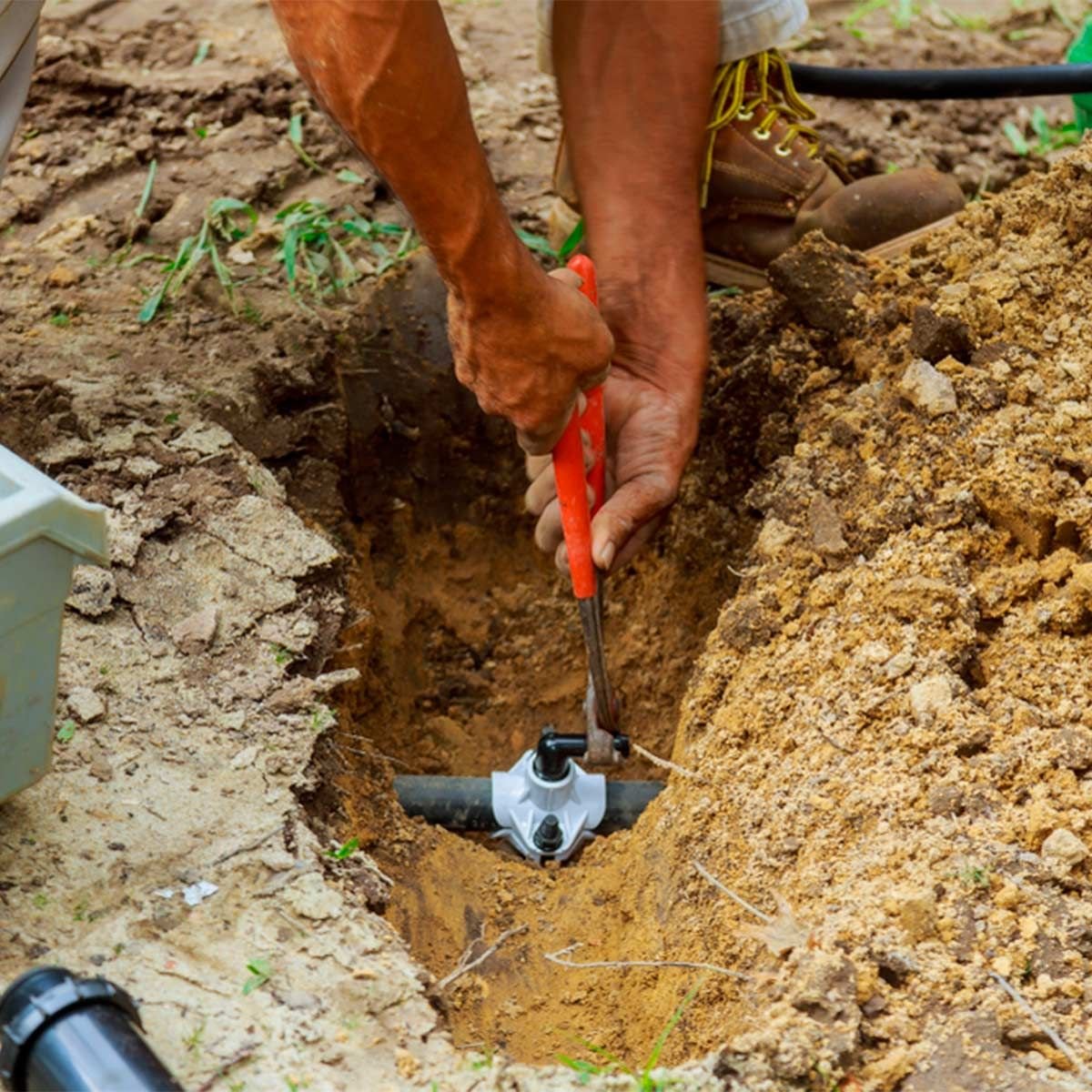
Understanding Underground Sprinkler System Repair Work
Underground fire lines are not irrigation pipe. They carry the full fire flow your building depends on, under pressure, through listed materials only. A general excavator can dig the trench, but the repair needs a licensed fire sprinkler contractor.
Southern California soil makes things harder. Expansive clay moves seasonally. Older ductile iron sits in ground chemistry that eats it. Many buildings from the nineteen seventies still run original mains that have never once been properly flow tested.
Honest underground work means the inspector sees the joints before backfill. Once the trench is closed, nobody can verify what happened down there. We schedule the witness inspection first, and only then bury the pipe.
Get Your Free Underground Repair Quote
Finding the break starts with a pressure test.
Call (626) 497-2604 for a free underground assessment. We will test your system pressure, locate the likely break, and give you a written scope before any excavation begins.
We serve properties throughout Rosemead, Long Beach, Baldwin Park, and Anaheim.
FAQ
Your Questions, Our Solutions
Underground Repair Questions – Answered
We start with pressure. A static and residual reading at the riser tells us whether the loss is above or below ground. Then we run a main drain test and check for surface evidence along the trench. Acoustic equipment narrows it further before we dig.
Usually yes. Most cities and fire departments require a permit for underground fire main work, along with a witnessed flush and hydrostatic test. We pull the permit, schedule the inspection, and complete the required Contractor Material and Test Certificate for your permanent records.
A straightforward repair under landscaping often finishes in one or two days. Concrete cutting, deep trenches, and inspection scheduling add time. We give you a realistic window before we start, not after.
Not for fire sprinkler lines. Private fire service mains fall under NFPA 24 and require a licensed fire sprinkler contractor with the right classification. A plumbing repair on a fire main will not pass inspection, and your insurance carrier may not accept it either.
Yes. We saw cut cleanly, compact the backfill in lifts, and patch asphalt or concrete to match. Surface restoration is part of the scope we quote, not a separate surprise bill later.